How to Start Your First Vegetable Garden
Growing your own vegetables is a rewarding and sustainable way to add fresh, nutritious produce to your diet. Starting your first vegetable garden can seem overwhelming, but with the right knowledge and preparation, anyone can successfully grow their own food. Whether you have a large backyard or a small balcony, here are some essential steps to get you started on your gardening journey.
Choose the Right Location
The first step in starting your vegetable garden is choosing the right location. Vegetables need at least six hours of direct sunlight each day, so find a spot in your yard that receives ample sunlight. If you have limited space, consider using containers or raised beds that can be placed in the sunniest area of your balcony or patio.
Prepare the Soil
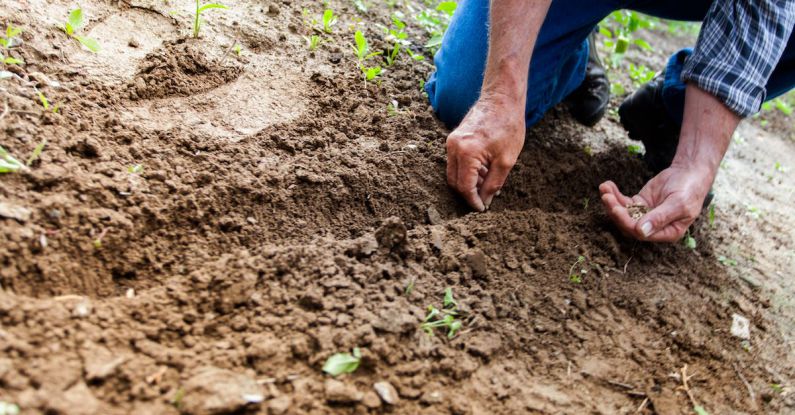
Healthy soil is the foundation for a successful vegetable garden. Start by removing any weeds, rocks, or debris from your chosen area. Then, loosen the soil using a garden fork or tiller, breaking up any compacted soil. Add organic matter, such as compost or well-rotted manure, to improve the soil’s fertility and drainage. Mix the organic matter into the soil using a garden rake, ensuring it is evenly distributed.
Choose Your Vegetables
When selecting the vegetables you want to grow, consider your climate and the available space in your garden. Some vegetables, like tomatoes and peppers, thrive in warm weather, while others, like lettuce and spinach, prefer cooler temperatures. Choose vegetables that you and your family enjoy eating and that are suitable for your growing conditions. You can start with easy-to-grow vegetables, such as tomatoes, lettuce, beans, and radishes, and expand your variety as you gain more experience.
Plant Your Vegetables
Once you have chosen your vegetables, it’s time to plant them in your garden. Follow the planting instructions on the seed packets or plant tags, as the depth and spacing requirements vary for each vegetable. Generally, seeds should be planted at a depth of two to three times their diameter, and seedlings should be spaced according to their mature size. Water the newly planted vegetables gently, ensuring the soil is evenly moist.
Water and Mulch
Proper watering is crucial to the success of your vegetable garden. Most vegetables require about one inch of water per week, either from rainfall or supplemental irrigation. Water deeply and infrequently, allowing the soil to dry out slightly between waterings. Mulching around your plants with organic materials, such as straw or shredded leaves, helps conserve moisture, suppress weeds, and regulate soil temperature.
Provide Support and Protection
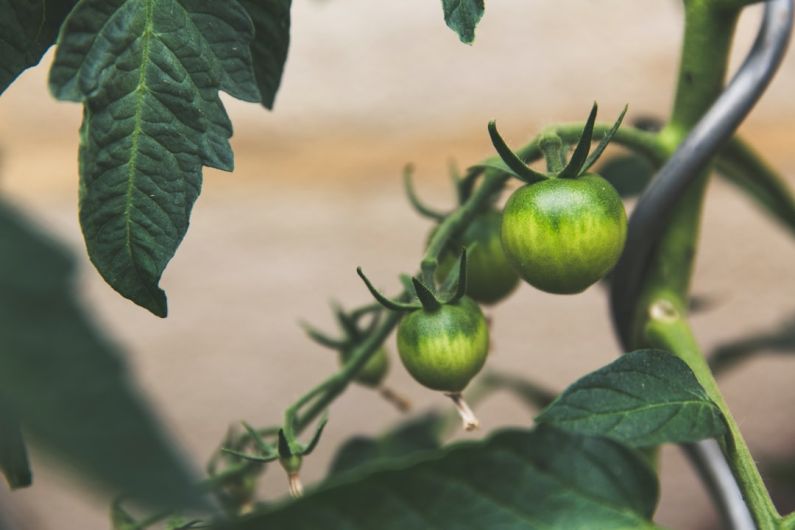
As your vegetables grow, some may need support to prevent them from falling over or sprawling on the ground. Stake or cage tall and vining plants, like tomatoes and cucumbers, to keep them upright and maximize space in your garden. Additionally, protect your plants from pests and diseases by monitoring for signs of damage or infestation. Use organic pest control methods, such as handpicking pests, applying insecticidal soap, or attracting beneficial insects to your garden.
Harvest and Enjoy
The most exciting part of growing your own vegetables is harvesting and enjoying the fruits of your labor. Harvest vegetables when they are ripe and at their peak flavor. Different vegetables have different harvesting times, so consult seed packets or gardening resources for guidance. Remember to share your bounty with friends and neighbors, and consider preserving excess produce through canning, freezing, or drying for later use.
In conclusion, starting your first vegetable garden is a fulfilling and educational experience. By choosing the right location, preparing the soil, selecting suitable vegetables, and providing proper care, you can grow your own fresh and delicious produce. Take the first step and start your own vegetable garden today – you won’t regret it!