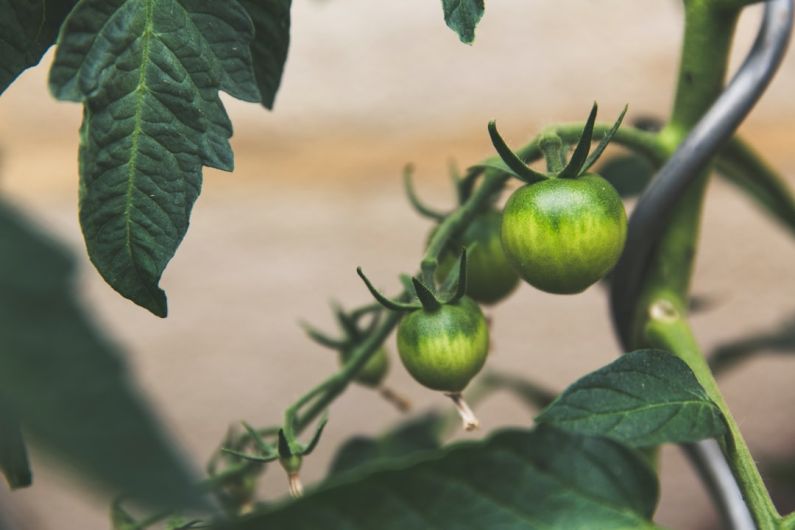
How to Design a Low Maintenance Garden
Creating a beautiful garden is a dream for many, but the thought of the time and effort required to maintain it often discourages people from taking the plunge. However, with a little bit of planning and smart design choices, it is possible to create a low maintenance garden that still looks stunning. In this article, we will explore some key tips and tricks to help you design a garden that requires minimal upkeep.
1. Choose the Right Plants
One of the most important aspects of designing a low maintenance garden is selecting the right plants. Opt for native species that are well-suited to your climate and soil conditions. These plants are more likely to thrive without much intervention from you. Additionally, look for varieties that are known for their resilience and ability to withstand drought or extreme temperatures. By choosing the right plants, you will be reducing the need for constant watering, fertilizing, and pruning.
2. Group Plants Wisely
Another clever design technique to reduce maintenance is grouping plants according to their water and sunlight requirements. This means placing plants with similar needs together, so you can water and care for them more efficiently. By doing this, you can avoid overwatering or underwatering certain plants, saving you time and effort. Additionally, consider planting ground covers or using mulch to suppress weeds and reduce the need for regular weeding.
3. Incorporate Hardscaping Elements
Introducing hardscaping elements into your garden design is an effective way to minimize maintenance. Consider using materials such as gravel, mulch, or paving stones in certain areas of your garden. These materials not only add visual interest but also help to suppress weed growth. Additionally, they require minimal upkeep compared to grass or flower beds. By incorporating hardscaping elements, you can create a low maintenance garden that still looks attractive.
4. Install an Automatic Irrigation System
Watering your garden can be a time-consuming task, especially during dry spells. To reduce the need for manual watering, consider installing an automatic irrigation system. These systems can be programmed to water your plants at specific times and in specific amounts, ensuring they receive the necessary moisture without wasting water. This not only saves you time but also helps conserve water, making it an eco-friendly choice.
5. Limit the Size of Your Lawn
Maintaining a large lawn can be a labor-intensive task. To minimize the amount of time and effort required, consider reducing the size of your lawn. Instead, focus on creating functional outdoor spaces using patios, decks, or seating areas. These areas require less maintenance and can be used for entertaining or relaxing. By limiting the size of your lawn, you can create a low maintenance garden that still provides ample space for enjoyment.
In conclusion, designing a low maintenance garden is all about making smart choices and planning ahead. By selecting the right plants, grouping them wisely, incorporating hardscaping elements, installing an automatic irrigation system, and limiting the size of your lawn, you can create a beautiful garden that requires minimal upkeep. So, go ahead and design your dream garden without the worry of excessive maintenance. With the right approach, you can enjoy a stunning outdoor space with less effort and more time to relax and unwind.