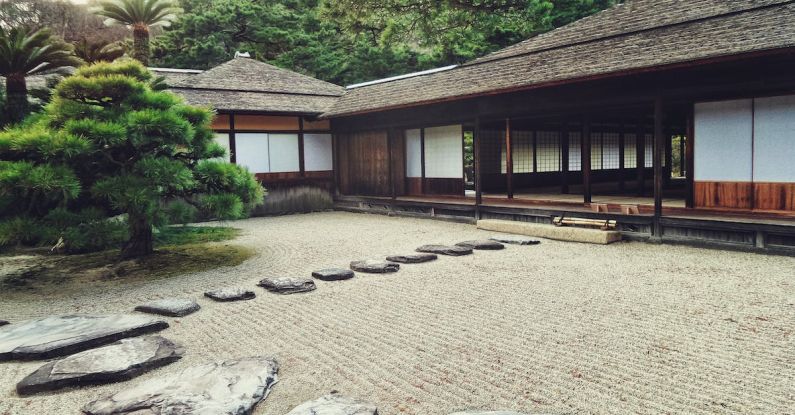
How to Create a Zen Garden for Meditation
Creating a Zen garden is an excellent way to bring peace and tranquility into your outdoor space. These gardens, also known as Japanese rock gardens or dry landscapes, have been used for centuries as a place for meditation and reflection. In this article, we will guide you through the steps to create your own Zen garden for a serene and calming experience.
Choosing the Location
The first step in creating a Zen garden is to find the perfect location for it. Look for a quiet and secluded area in your backyard or even indoors where you can escape from the distractions of daily life. Ideally, the space should have natural elements such as trees or shrubs to enhance the sense of tranquility.
Designing the Layout
Once you have chosen the location, it’s time to design the layout of your Zen garden. Keep in mind that simplicity is key in creating a peaceful atmosphere. Start by outlining the shape of your garden using stones or a rake to create straight lines or curves. The shape can be rectangular, circular, or even irregular, depending on your preference.
Selecting the Materials
Zen gardens typically consist of two main elements: rocks and gravel or sand. The rocks represent mountains or islands, while the gravel or sand symbolizes water or the ocean. Choose rocks of different sizes and shapes to create visual interest and arrange them in a way that mimics a natural landscape. For the gravel or sand, opt for a light color such as white or beige to create a sense of serenity.
Adding Plants and Moss
To enhance the Zen garden’s beauty, consider adding a few carefully selected plants and moss. Choose plants that are low-maintenance and can thrive in your climate. Bamboo, Japanese maple, and bonsai trees are popular choices for Zen gardens due to their elegant and calming presence. Moss can be used to create a lush and verdant ground cover, adding a touch of green to the overall design.
Placing Decorative Elements
In addition to rocks and plants, you can incorporate decorative elements into your Zen garden to personalize the space. Lanterns, statues, and water features can add a sense of tranquility and harmony. Place them strategically to create focal points and visual interest. Remember to keep the design minimalistic, avoiding clutter or excessive ornamentation.
Maintaining the Garden
Once your Zen garden is complete, it’s important to maintain its beauty and serenity. Regularly rake the gravel or sand to create smooth and flowing patterns, mimicking the movement of water. Trim and prune plants to keep them in shape and remove any dead or decaying foliage. Regularly remove any weeds or debris that may accumulate in the garden.
Finding Inner Peace
Now that your Zen garden is complete, take a moment to sit and enjoy its peaceful ambiance. Use this space for meditation, reflection, or simply to unwind after a long day. Allow nature’s calming presence to wash away your worries and find solace in the serenity of your own private sanctuary.
In conclusion, creating a Zen garden is a beautiful way to cultivate peace and tranquility in your outdoor space. By carefully selecting materials, designing the layout, and adding personal touches, you can create a serene environment that promotes relaxation and introspection. Remember to regularly maintain the garden to preserve its beauty and continue to find inner peace in this sacred space.