
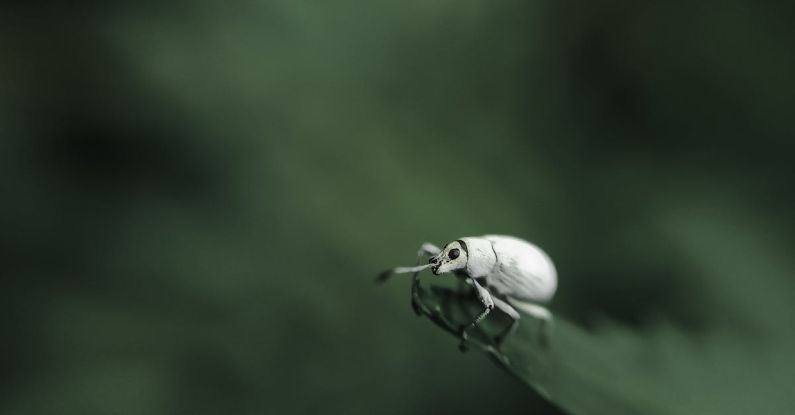
How to Control Pests Naturally in Your Garden
Gardening is a rewarding hobby that allows you to connect with nature and grow your own food. However, one of the biggest challenges that gardeners face is dealing with pests. These unwanted visitors can wreak havoc on your plants and undo all of your hard work. While there are chemical pesticides available on the market, they can be harmful to the environment and even your health. Luckily, there are natural methods you can use to control pests in your garden. In this article, we will explore some of these methods and how you can implement them effectively.
1. Encourage Beneficial Insects
Not all insects are bad for your garden. In fact, some insects can actually help control pests naturally. Ladybugs, lacewings, and praying mantises are just a few examples of beneficial insects that feed on garden pests like aphids and caterpillars. You can attract these beneficial insects to your garden by planting flowers such as daisies, marigolds, and lavender. Creating a diverse and insect-friendly habitat will encourage these beneficial insects to stick around and keep pest populations in check.
2. Practice Crop Rotation
Crop rotation is a simple but effective technique that can help control pests in your garden. By rotating the crops you grow each season, you can disrupt the life cycles of pests that are specific to certain plants. For example, if you had a problem with tomato hornworms last year, planting tomatoes in a different location this year can help prevent a reinfestation. Additionally, rotating crops can also help improve soil fertility and reduce the risk of nutrient depletion.
3. Use Natural Repellents
There are many natural substances that can be used as repellents to deter pests from your garden. For instance, garlic and hot pepper sprays can be effective in repelling insects and small animals. Simply blend a few cloves of garlic or hot peppers with water, strain the mixture, and spray it on your plants. Other natural repellents include neem oil, which is derived from the neem tree and acts as a broad-spectrum insecticide, and diatomaceous earth, a white powder that works by physically damaging the exoskeletons of insects.
4. Employ Physical Barriers
Creating physical barriers can be an effective way to prevent pests from accessing your plants. For example, you can use row covers to protect your crops from flying insects like aphids, caterpillars, and beetles. These covers are made from lightweight fabric that allows sunlight and water to penetrate while keeping pests out. Another option is using netting or chicken wire to fence off your garden and keep larger pests like rabbits and deer away. These barriers can be highly effective and are a safe and non-toxic method of pest control.
In conclusion,
Controlling pests naturally in your garden is not only better for the environment but also for your health. By encouraging beneficial insects, practicing crop rotation, using natural repellents, and employing physical barriers, you can effectively manage pests without the need for harmful chemicals. Remember, it’s all about finding a balance in your garden ecosystem and working with nature rather than against it. So embrace these natural methods and enjoy a thriving and pest-free garden all year round.


