
How to Create a Wildlife-friendly Garden
When it comes to creating a garden, many of us focus solely on aesthetics, forgetting the important role our outdoor spaces can play in supporting local wildlife. By making a few simple changes, you can transform your garden into a haven for birds, butterflies, bees, and other creatures. In this article, we will explore some practical tips on how to create a wildlife-friendly garden.
Plant Native Species
Choosing native plants is one of the most effective ways to attract wildlife to your garden. Native plants provide food and shelter for local wildlife, as they have evolved together over time. They are also well-suited to the local climate, requiring less water and maintenance.
To find out which plants are native to your area, consult with local nurseries or botanical gardens. Consider planting a variety of species to provide a diverse range of habitats and food sources.
Create Shelter
Wildlife needs shelter to feel safe and protected. Introducing features such as birdhouses, bat boxes, and insect hotels can provide nesting opportunities for birds, bats, and insects. These can be easily purchased or even made at home using natural materials.
Additionally, leaving areas of your garden untrimmed or introducing log piles and rock piles can create hiding places for small mammals, reptiles, and amphibians. These natural shelters not only provide homes but also contribute to the overall biodiversity of your garden.
Provide Water Sources
Water is essential for wildlife, especially during dry periods. By providing a water source, you can attract a wide range of creatures to your garden. Consider installing a birdbath, a small pond, or even a simple water dish. Make sure to keep the water clean and fresh, and add stones or floating plants to provide perches for birds and insects.
Avoid Chemicals
Chemicals such as pesticides and herbicides can be harmful to wildlife, especially pollinators like bees and butterflies. Instead of using these chemicals, explore natural alternatives such as companion planting, which involves planting certain species together to repel pests.
You can also encourage natural pest control by introducing beneficial insects like ladybugs and lacewings, which feed on garden pests. Creating a healthy ecosystem in your garden will help to naturally prevent pest problems while supporting wildlife.
Provide Food
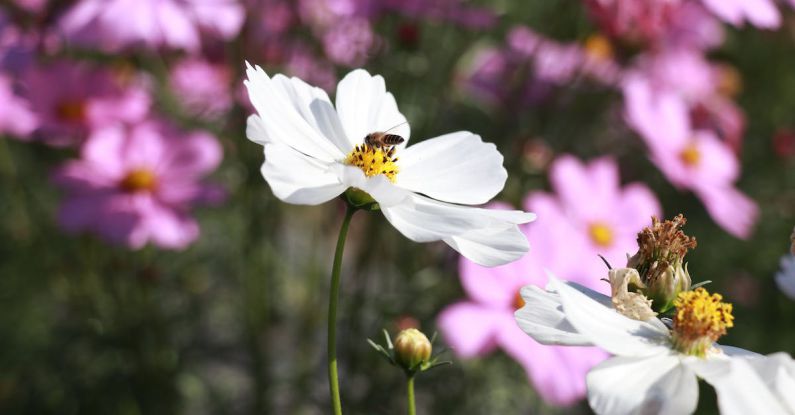
Food sources are crucial for attracting wildlife to your garden. Planting nectar-rich flowers, such as lavender, coneflowers, and sunflowers, will attract bees and butterflies. Additionally, consider planting berry-producing shrubs or trees, which provide food for birds and small mammals.
You can also create feeding stations for birds by installing bird feeders. Choose feeders that are suitable for different bird species and provide a variety of food, such as seeds, nuts, and suet.
Maintain a Year-Round Garden
To truly make your garden wildlife-friendly, aim to have plants that flower and provide food throughout the year. This ensures a consistent food source for wildlife, even during the colder months. Research the bloom times of different plants and choose a variety that spans across the seasons.
Conclusion: A Haven for Wildlife
By following these simple tips, you can transform your garden into a wildlife-friendly haven. Not only will you be providing a habitat for local creatures, but you will also have the pleasure of observing their fascinating behaviors and interactions. Creating a wildlife-friendly garden is a small step that can have a significant positive impact on biodiversity and the environment as a whole.


