How to Choose Plants for a Butterfly Garden
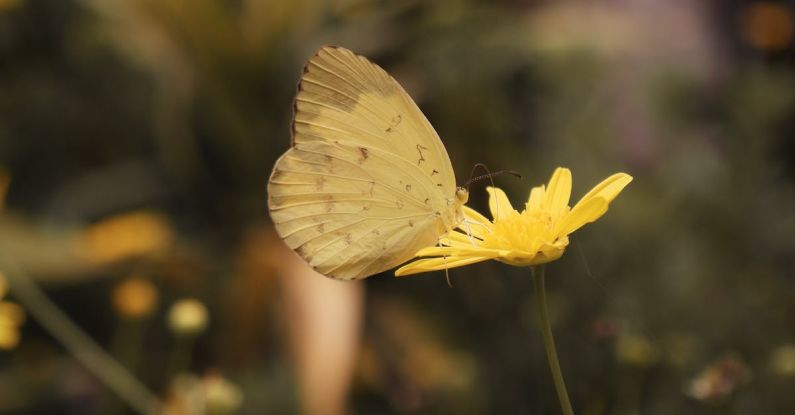
Creating a butterfly garden can be a delightful and rewarding experience. Watching these beautiful creatures flutter around your garden is not only visually appealing but also beneficial for the ecosystem. To attract butterflies to your garden, it is important to choose the right plants that provide nectar, food, and shelter. In this article, we will provide you with some useful tips on how to choose the perfect plants for your butterfly garden.
Research Butterfly Species in Your Area
The first step in selecting plants for your butterfly garden is to research the butterfly species that are native to your area. Different species of butterflies have different preferences when it comes to nectar plants. By understanding which butterflies are common in your region, you can choose the plants that are most likely to attract them. This will ensure that your garden becomes a haven for these winged wonders.
Choose Native Plants
Native plants are always the best choice for a butterfly garden. These plants are adapted to the local climate and soil conditions, making them more likely to thrive and attract butterflies. Native plants also provide a natural habitat for butterflies and other pollinators. By planting native species, you are helping to preserve the local ecosystem and support the survival of native butterflies.
Select a Variety of Plants
Butterflies have different preferences when it comes to nectar plants. Some butterflies prefer flowers with shallow tubular blooms, while others are attracted to flowers with flat or clustered blossoms. To cater to a variety of butterfly species, it is important to select a range of plants with different flower shapes, sizes, and colors. This will ensure a diverse and attractive garden that appeals to a wide range of butterflies.
Consider the Blooming Season
To attract butterflies throughout the year, it is important to choose plants that bloom at different times. Butterflies rely on nectar as their primary food source, so having plants that flower in spring, summer, and fall will provide a consistent source of nourishment. By selecting a variety of plants with staggered blooming seasons, you can ensure a continuous supply of nectar for the butterflies.
Provide Host Plants
In addition to nectar plants, it is also important to provide host plants for butterflies. Host plants are specific plants that caterpillars feed on during their larval stage. Different butterfly species have different host plant requirements, so it is essential to include these plants in your garden. For example, the Monarch butterfly lays its eggs exclusively on milkweed plants. By providing host plants, you are not only attracting butterflies but also supporting their entire life cycle.
Avoid Pesticides
Pesticides are harmful to butterflies and other beneficial insects. To create a butterfly-friendly garden, it is important to avoid using pesticides. Instead, opt for natural pest control methods such as handpicking pests or using organic insecticides. By keeping your garden pesticide-free, you are creating a safe and healthy environment for butterflies to thrive.
In conclusion,
Creating a butterfly garden is a wonderful way to attract these enchanting creatures to your backyard. By selecting the right plants that provide nectar, food, and shelter, you can transform your garden into a haven for butterflies. Remember to research the butterfly species in your area, choose native plants, provide a variety of plants, consider the blooming season, provide host plants, and avoid pesticides. By following these tips, you can create a beautiful and vibrant butterfly garden that will bring joy and wonder to both you and the butterflies.