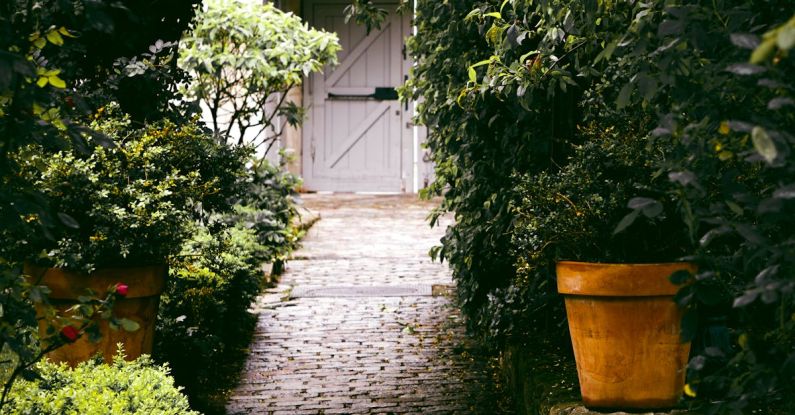
How to Create a Garden Path on a Budget
Creating a beautiful garden path doesn’t have to break the bank. With a little creativity and resourcefulness, you can design a charming walkway that adds character and functionality to your outdoor space without draining your wallet. In this article, we will explore some budget-friendly ideas and tips to help you create a garden path that is both visually appealing and affordable.
1. Plan and Measure
Before embarking on your garden path project, it is essential to plan and measure the area where you want the path to be. Take into consideration the shape and size of your garden, as well as any existing plants or structures that you want to preserve. This will help you determine the materials and quantities needed for the project, preventing unnecessary expenses.
2. Choose Affordable Materials
When it comes to materials for your garden path, there are plenty of cost-effective options available. One of the most budget-friendly choices is gravel. Gravel paths not only add a rustic charm to your garden but are also easy to install. Alternatively, you can use mulch, wood chips, or shredded bark, which are all inexpensive and readily available.
3. Utilize Recycled Materials
To further reduce costs, consider utilizing recycled materials for your garden path. Old bricks or paving stones can be salvaged from construction sites or obtained from local classified ads or online marketplaces. These materials add a unique touch to your path and can be arranged in various patterns to create a visually appealing design.
4. DIY Stepping Stones
Another affordable option for creating a garden path is to make your own stepping stones. With a few simple materials like concrete mix, molds, and decorative stones or seashells, you can easily create personalized stepping stones. This DIY approach not only saves money but also allows you to add a personal touch to your garden.
5. Incorporate Natural Elements
Instead of relying solely on man-made materials, consider incorporating natural elements into your garden path design. Use large rocks or pavers to create stepping stone-like structures, or line the path with logs or tree stumps. These natural elements not only add visual interest but also blend seamlessly with the surrounding landscape.
6. Embrace the Power of Plants
Plants can play a significant role in creating an affordable garden path. Consider planting low-growing groundcovers, such as creeping thyme or moss, between stepping stones. Not only will this add a lush and vibrant look to your path, but it will also help to suppress weed growth.
7. Proper Maintenance
To ensure the longevity and beauty of your garden path, proper maintenance is crucial. Regularly remove any debris, weeds, or overgrown vegetation that may obstruct the path. Additionally, consider applying a layer of fresh mulch or gravel annually to refresh the appearance of your path and provide a clean and well-kept look.
In conclusion
Creating a garden path on a budget is entirely possible with the right planning and creativity. By utilizing affordable materials, recycling, DIY methods, incorporating natural elements, and proper maintenance, you can design a charming and functional path that enhances the beauty of your garden without breaking the bank. So, roll up your sleeves, put on your gardening gloves, and get ready to create a stunning garden path that you can be proud of!