
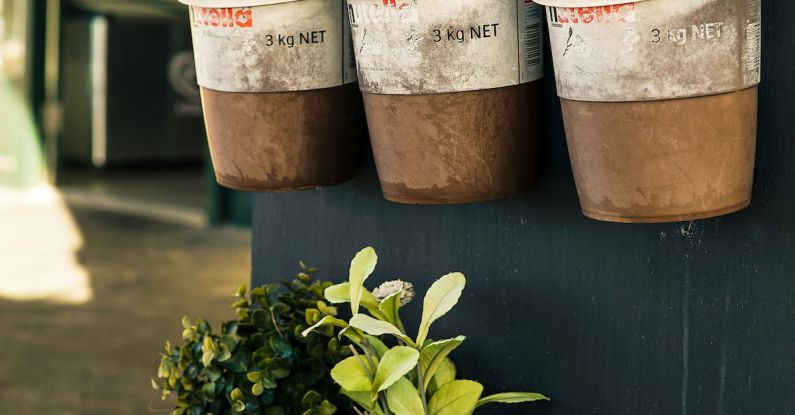
How to Create a Thriving Container Garden
Container gardening is a fantastic way to bring the beauty of plants into small spaces, such as balconies, patios, or even windowsills. With the right approach, you can create a thriving container garden that will add color and life to your surroundings. Here are some tips to help you get started.
Choose the Right Containers
The first step in creating a thriving container garden is to choose the right containers. Look for containers that have good drainage holes to prevent water from pooling and causing root rot. Clay pots and plastic containers are both excellent choices. Consider the size of your plants when selecting containers – they should have enough room for the roots to grow.
Select the Right Location
When it comes to container gardening, location is key. Most plants require at least six hours of sunlight a day to thrive, so choose a location that gets plenty of sunlight. If you have limited sunlight in your outdoor space, consider using plants that can tolerate shade, such as ferns or impatiens. Additionally, make sure your containers are placed in an area that is protected from strong winds, which can damage delicate plants.
Choose the Right Soil
Choosing the right soil is crucial for the success of your container garden. Regular garden soil is not suitable for containers as it tends to become compacted and does not drain well. Instead, opt for a high-quality potting mix that is specifically formulated for container gardening. This type of soil is lightweight, well-draining, and enriched with nutrients that your plants need to thrive.
Watering
Proper watering is essential for the health of your container garden. When watering your plants, aim to keep the soil moist but not waterlogged. Overwatering can lead to root rot, while underwatering can cause your plants to wilt and die. The best way to determine if your plants need water is to stick your finger into the soil – if it feels dry an inch below the surface, it’s time to water. Additionally, be mindful of the weather – during hot summer days, you may need to water your plants more often.
Fertilizing
To keep your container garden thriving, it’s important to provide your plants with the nutrients they need. Most potting mixes contain some slow-release fertilizer, but it’s a good idea to supplement with additional fertilizer throughout the growing season. Choose a balanced, water-soluble fertilizer and follow the instructions on the package for application rates. Remember to fertilize regularly, as nutrients can leach out of the soil with frequent watering.
Pest Control
Pest control is another important aspect of maintaining a thriving container garden. Keep an eye out for common garden pests such as aphids, snails, or spider mites. If you notice any signs of infestation, take action immediately. There are many organic pest control methods available, such as insecticidal soaps or companion planting. Regularly inspect your plants for any signs of damage or pests, and address the issue promptly to prevent further damage.
Enjoy Your Container Garden
Creating a thriving container garden requires some effort and attention, but the rewards are well worth it. By choosing the right containers, providing the right location, soil, water, and nutrients, and taking care of pest control, you can create a beautiful and thriving garden in even the smallest of spaces. So go ahead, get your hands dirty, and enjoy the beauty and tranquility of your very own container garden.


