Why Should You Test Your Home for Radon?
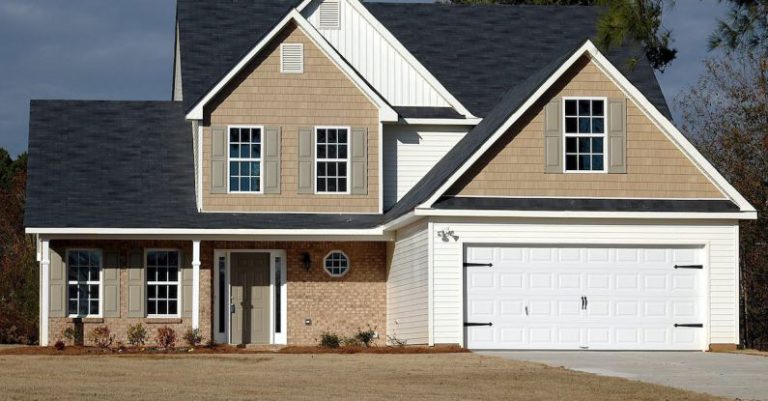
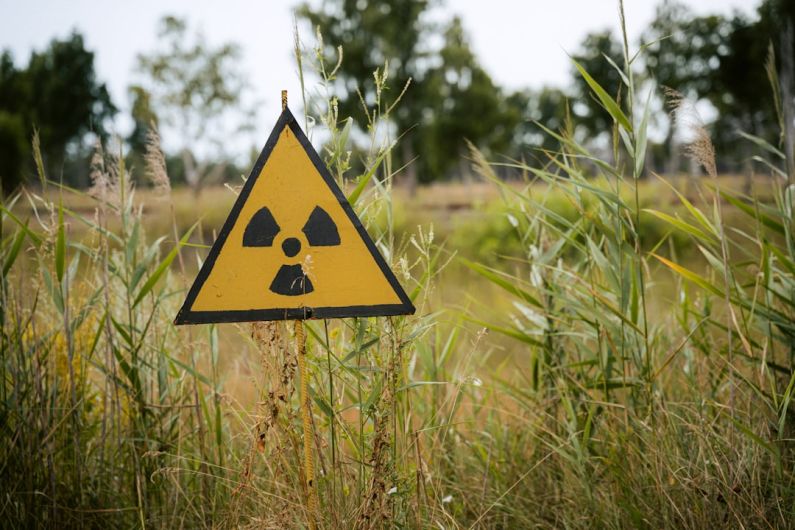
Radon is a radioactive gas that is present in almost every home, regardless of age or location. It is odorless, tasteless, and invisible, making it virtually undetectable without proper testing. Radon is a serious health risk, and prolonged exposure to high levels of radon can lead to lung cancer. Therefore, it is crucial to test your home for radon to ensure the safety and well-being of you and your family. In this article, we will explore the reasons why testing for radon is essential and the potential consequences of neglecting this important step.
Radon: The Silent Killer
Radon is a naturally occurring gas that is released from the decay of uranium in the soil. It seeps into homes through cracks in the foundation, gaps around pipes, and other openings. Once inside, radon can accumulate to dangerous levels, especially in poorly ventilated areas such as basements and crawl spaces. According to the Environmental Protection Agency (EPA), radon is the second leading cause of lung cancer in the United States, responsible for an estimated 21,000 deaths each year. This alarming statistic highlights the urgent need for radon testing in every home.
The Importance of Radon Testing
Testing your home for radon is the only way to determine if you and your loved ones are being exposed to this dangerous gas. Radon levels can vary greatly from one home to another, even in the same neighborhood. Therefore, it is crucial to conduct regular radon tests to ensure the safety of your living environment. Testing for radon is simple and affordable, with do-it-yourself test kits available at most hardware stores. These kits typically involve placing a small device in the lowest livable area of your home for a specified period, after which it is sent to a laboratory for analysis.
Potential Health Consequences
Exposure to high levels of radon over an extended period significantly increases the risk of developing lung cancer. According to the World Health Organization (WHO), smokers who are exposed to high levels of radon have a much higher risk of developing lung cancer compared to non-smokers. This is because the combination of radon gas and cigarette smoke creates a deadly synergy that greatly amplifies the risk. However, even non-smokers are not immune to the harmful effects of radon exposure. Therefore, it is crucial to test your home for radon, regardless of whether you smoke or not.
Protecting Your Loved Ones
Testing your home for radon is not just about protecting yourself but also your loved ones. Children and elderly individuals are particularly vulnerable to the harmful effects of radon. Children have higher respiratory rates and faster cell division, making them more susceptible to the damaging effects of radon gas. Similarly, the elderly often have weakened immune systems, making them more susceptible to lung cancer and other health issues caused by radon exposure. By testing your home for radon, you can take proactive steps to protect the health and well-being of your entire family.
Conclusion: Don’t Ignore the Silent Threat
Radon is a silent threat that can have devastating consequences. Testing your home for radon is a simple and affordable way to ensure the safety of your living environment. By taking this proactive step, you can protect yourself and your loved ones from the harmful effects of radon gas. Remember, radon is invisible, odorless, and tasteless, making it impossible to detect without proper testing. So, don’t ignore the silent threat lurking in your home; test for radon today and breathe easier knowing that you have taken the necessary steps to safeguard your health and well-being.