When Is the Best Time to Repot Houseplants?
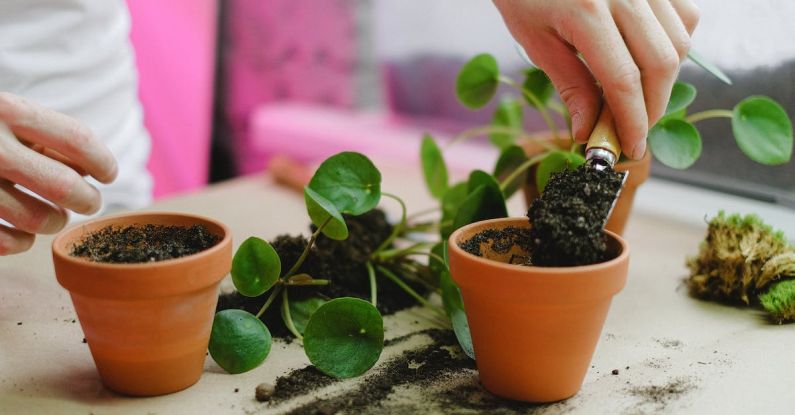
Houseplants are a great addition to any home, bringing a touch of nature indoors and providing numerous health benefits. However, to keep them thriving, it is important to provide them with the right conditions, including the right time to repot. Repotting is a crucial step in the care of houseplants, as it allows them to continue growing and flourishing. But when is the best time to repot houseplants? Let’s find out.
Signs that Your Houseplant Needs Repotting
Before delving into the best time to repot houseplants, it is important to know when your houseplant actually needs repotting. There are several signs that indicate it is time to repot your plant:
1. Roots growing out of the drainage holes: If you notice roots protruding from the drainage holes at the bottom of the pot, it is a clear sign that your houseplant has outgrown its current container.
2. Slow growth or stunted development: If your houseplant is not growing as vigorously as it used to or its leaves are smaller than before, it may be a sign that the roots have run out of space and need more room to expand.
3. Water draining too quickly: If water seems to be draining too quickly through the potting mix, it could mean that the roots have taken up most of the space in the pot and have left little room for water retention.
4. Mold or fungus growth on the soil surface: If you notice mold or fungus growing on the soil surface, it could indicate that the potting mix has become compacted and needs to be refreshed.
Best Time to Repot Houseplants
The best time to repot houseplants depends on several factors, including the type of plant and its growth cycle. However, there are two general guidelines to follow:
1. Springtime: Spring is generally the best time to repot most houseplants. During this time, plants are entering their active growth phase, and repotting provides them with the necessary space and nutrients to support their growth. It is also a good time to divide plants or propagate them through cuttings.
2. Dormant period: Some plants, such as cacti and succulents, have a dormant period during the winter months. This is the ideal time to repot them, as they are not actively growing and can tolerate the disturbance better. Repotting during their dormant period also allows them to start fresh when they enter their active growth phase in the spring.
Exceptions to the Rule
While spring and the dormant period are generally the best times to repot houseplants, there are a few exceptions to keep in mind:
1. Blooming plants: If your houseplant is in bloom, it is best to wait until after the flowering period to repot. Repotting during the blooming phase can cause stress to the plant and may cause it to drop its flowers prematurely.
2. Newly purchased plants: If you have just purchased a new houseplant, it is recommended to wait at least a few weeks before repotting. This allows the plant to acclimate to its new environment and reduces the risk of transplant shock.
In conclusion, the best time to repot houseplants is generally in the spring or during the dormant period, depending on the plant’s growth cycle. However, it is important to consider the specific needs of each plant and any exceptions to the general guidelines. By repotting your houseplants at the right time, you can provide them with the space and nutrients they need to continue thriving and adding beauty to your home.