What Are the Best Flowers to Plant for Year-round Color?
When it comes to adding color and beauty to your garden or landscape, planting flowers is always a great choice. However, if you want your garden to look vibrant and stunning all year round, it’s important to choose the right flowers. In this article, we will explore some of the best flowers to plant for year-round color, ensuring that your garden remains a visual delight throughout the seasons.
Spring Delights: Tulips and Daffodils
As spring arrives, tulips and daffodils are the go-to flowers for many garden enthusiasts. These early bloomers burst forth with vibrant colors, instantly brightening up any landscape. Tulips come in a wide array of colors and varieties, making them a versatile choice. Daffodils, on the other hand, are known for their cheerful yellow and white hues. By planting a mix of tulips and daffodils, you can create a breathtaking display that welcomes the arrival of spring.
Summer Showstoppers: Roses and Geraniums
When summer rolls around, roses and geraniums take center stage with their stunning blooms. Roses are a classic choice for any garden, offering a wide range of colors and fragrances. From the elegant hybrid teas to the whimsical floribundas, these flowers are sure to add a touch of romance to your outdoor space. Geraniums, on the other hand, are known for their vibrant and long-lasting blooms. With their intense hues of red, pink, and purple, they are perfect for adding a pop of color to your garden throughout the summer months.
Autumn Wonders: Chrysanthemums and Asters
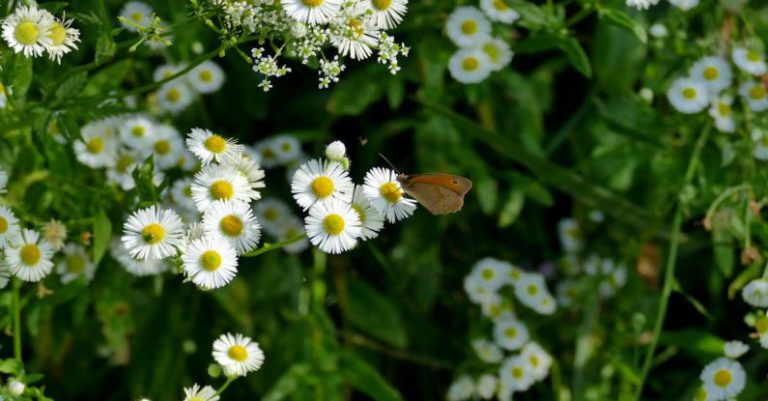
As the days grow shorter and the temperature begins to drop, chrysanthemums and asters come into their own. Chrysanthemums, or mums, are available in a wide range of colors and are known for their longevity. These hardy flowers can withstand cooler temperatures, making them the perfect choice for autumn. Asters, with their daisy-like blooms, are another great option for fall color. Available in shades of purple, pink, and white, these flowers add a touch of elegance to any garden.
Winter Beauties: Pansies and Snowdrops
Even in the coldest months of the year, you can still enjoy beautiful flowers in your garden. Pansies are a popular choice for winter color, thanks to their ability to withstand frost and snow. These little blooms come in a variety of colors, from bright yellows and oranges to rich purples and blues. Snowdrops, as the name suggests, are delicate white flowers that bloom in the late winter or early spring. These dainty blooms can withstand cold temperatures and add a touch of charm to any winter landscape.
Creating a Year-round Color Scheme
To ensure your garden looks visually appealing throughout the year, it’s important to plan your flower selection carefully. Consider planting a variety of flowers that bloom in different seasons, so you always have something in bloom. By choosing flowers that complement each other in terms of color and texture, you can create a cohesive and visually stunning display. Additionally, be sure to consider the specific growing conditions and climate in your area to select flowers that will thrive in your garden.
In conclusion, planting flowers that provide year-round color is a great way to keep your garden looking vibrant and beautiful throughout the seasons. By carefully selecting a variety of flowers that bloom in different seasons, you can create a stunning display that will delight your senses all year long. Whether it’s the vibrant tulips of spring, the romantic roses of summer, the elegant chrysanthemums of autumn, or the hardy pansies of winter, there are plenty of options to choose from. So go ahead, get your gardening gloves on, and start planting for year-round color!