What Are Effective Ways to Control Garden Pests Naturally?
Maintaining a beautiful and healthy garden can be a challenging task, especially when it comes to controlling pesky garden pests. While chemical pesticides may seem like a quick fix, they can be harmful to the environment, beneficial insects, and even your health. Luckily, there are several effective ways to control garden pests naturally, ensuring a thriving garden without the use of harmful chemicals. In this article, we will explore some of these methods and provide you with the knowledge to keep your garden pest-free.
1. Attract Beneficial Insects
One of the most effective ways to control garden pests naturally is by attracting beneficial insects to your garden. Ladybugs, lacewings, and praying mantises are just a few examples of beneficial insects that feed on common garden pests like aphids and caterpillars. To attract these helpful insects, plant flowers such as marigolds, daisies, and cosmos. Additionally, provide shelter for them by creating small habitats such as bug hotels or planting shrubs and trees.
2. Practice Crop Rotation
Crop rotation is a simple yet effective technique to naturally control garden pests. By rotating your crops each year, you disrupt the life cycle of pests that may have overwintered in the soil. Different plants have varying nutrient requirements, so rotating crops also helps maintain healthy soil. This method reduces the likelihood of pests becoming established and minimizes the need for chemical intervention.
3. Use Natural Predators
Introducing natural predators into your garden is another excellent way to control pests naturally. For instance, ducks and chickens are great at controlling slugs and snails. You can also use nematodes, microscopic worms that are effective against soil-borne pests such as grubs and flea larvae. Research the specific pests in your garden and find out which predators are most effective against them.
4. Create Physical Barriers
Creating physical barriers is a simple yet effective way to keep pests out of your garden. For example, erecting a fence or using netting can protect your plants from hungry birds, rabbits, or deer. Additionally, using row covers can prevent insects from laying eggs on your crops. These barriers provide a physical deterrent and reduce the need for chemical pesticides.
5. Companion Planting
Companion planting is a natural gardening technique that involves planting certain plants together to benefit each other. Some plants, like marigolds and nasturtiums, naturally repel pests due to their strong fragrance or taste. By interplanting these pest-repellent plants with your desired crops, you create a natural barrier that deters pests. Research which plants work well together and incorporate companion planting into your garden design.
6. Maintain Healthy Soil
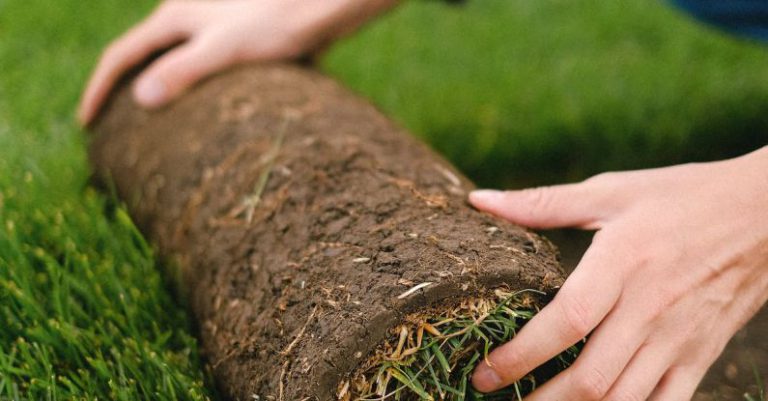
Maintaining healthy soil is crucial for preventing pest infestations. Healthy soil promotes strong plants that are more resistant to pests and diseases. To improve your soil quality, use organic matter such as compost or well-rotted manure. Avoid over-fertilizing, as it can attract pests. Regularly testing your soil’s pH and nutrient levels can help you determine any deficiencies or imbalances that may make your plants more susceptible to pests.
In conclusion,
Controlling garden pests naturally is not only better for the environment, but it also promotes a healthier and more sustainable garden. By attracting beneficial insects, practicing crop rotation, using natural predators, creating physical barriers, employing companion planting, and maintaining healthy soil, you can effectively control pests without resorting to harmful chemicals. With these methods in your gardening arsenal, you can enjoy a thriving garden that is free from unwanted pests.