How to Incorporate Sustainable Materials into Your Home
Creating a sustainable home is not only beneficial for the environment but can also improve the overall quality of your living space. By incorporating sustainable materials into your home, you can reduce your carbon footprint and contribute to a greener future. In this article, we will explore various ways to incorporate sustainable materials into your home.
1. Flooring Options
When it comes to sustainable flooring options, there are several choices available. Bamboo flooring is a popular option as it is fast-growing and renewable. It is also known for its durability and natural beauty. Another sustainable choice is cork flooring, which is made from the bark of cork oak trees. Cork is easily renewable and provides a soft, comfortable surface. Reclaimed wood flooring is another eco-friendly option that adds character to your home while reducing the demand for new materials.
2. Energy-Efficient Lighting
One of the easiest ways to incorporate sustainability into your home is by using energy-efficient lighting. Replace traditional incandescent bulbs with LED or CFL bulbs, which consume less energy and have a longer lifespan. Install dimmer switches to further reduce energy consumption and create a cozy ambiance in your living spaces.
3. Eco-Friendly Insulation
Proper insulation is crucial for maintaining a comfortable indoor temperature and reducing energy consumption. Opt for eco-friendly insulation materials such as cellulose, which is made from recycled newspapers and has excellent thermal performance. Another sustainable option is sheep’s wool insulation, which is naturally fire-resistant and biodegradable.
4. Low VOC Paints
Traditional paints contain volatile organic compounds (VOCs) that can release harmful chemicals into the air. Opt for low VOC or zero VOC paints when painting your home. These paints are made from natural ingredients and are free from harmful chemicals, making them safe for you and the environment.
5. Water-Saving Fixtures
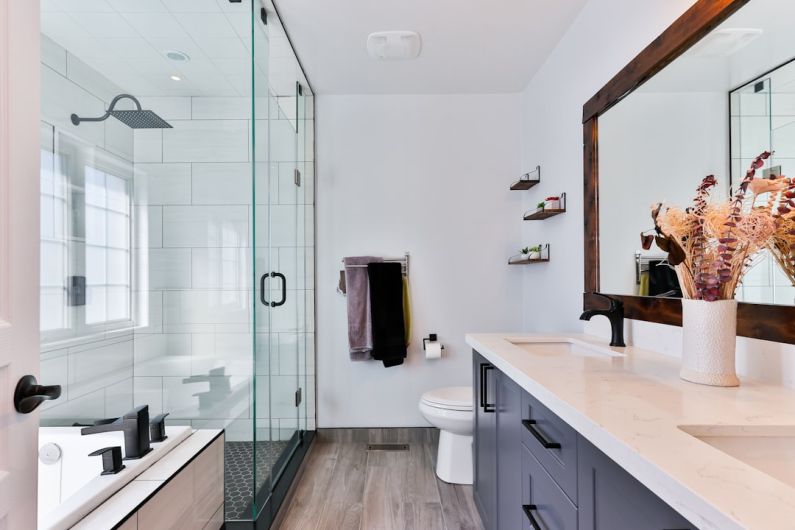
Incorporating water-saving fixtures in your home can significantly reduce water consumption. Install low-flow showerheads and faucets to conserve water without compromising on performance. Dual-flush toilets are another excellent addition, as they allow you to choose between a full or partial flush, depending on your needs.
6. Sustainable Furniture
When choosing furniture for your home, opt for sustainably sourced materials. Look for furniture made from reclaimed wood, bamboo, or recycled materials. These options not only reduce the demand for new resources but also add a unique touch to your home decor.
7. Solar Panels
Harnessing the power of the sun is a great way to incorporate sustainability into your home. Install solar panels on your roof to generate clean, renewable energy. Solar panels can help you reduce your reliance on fossil fuels and lower your electricity bills in the long run.
8. Rainwater Harvesting
Rainwater harvesting is an effective way to conserve water and reduce your reliance on the municipal water supply. Install rain barrels or a rainwater harvesting system to collect rainwater that can be used for watering plants or flushing toilets. This not only reduces your water bill but also helps to conserve this precious resource.
Incorporating sustainable materials into your home is a practical way to embrace a greener lifestyle. From flooring options to energy-efficient lighting and water-saving fixtures, there are plenty of choices available. By making sustainable choices, you not only contribute towards a healthier environment but also create a more comfortable and stylish home.