How to Design a Low-maintenance Landscape?
Designing a low-maintenance landscape can be a great way to save time and effort in maintaining your outdoor space. By following a few simple principles and making smart choices, you can create a beautiful and functional landscape that requires minimal care. In this article, we will discuss some key tips and strategies to help you design a low-maintenance landscape.
1. Choose the Right Plants
One of the most important factors in designing a low-maintenance landscape is selecting the right plants. Opt for native or drought-tolerant plants that are well-suited to your region’s climate and soil conditions. These plants are adapted to the local environment and require less water, fertilizer, and pest control. Additionally, consider using perennial plants instead of annuals, as perennials come back year after year, reducing the need for replanting.
2. Group Plants by Watering Needs
To further reduce maintenance, group plants with similar watering needs together. This allows you to water them efficiently and avoid overwatering or underwatering. By creating zones based on water requirements, you can easily manage irrigation and conserve water. For example, place plants that require more moisture closer to a water source and those that are drought-tolerant further away.
3. Incorporate Hardscaping Elements
Integrating hardscaping elements into your landscape design can significantly reduce maintenance tasks. Consider using materials like gravel, mulch, or rocks to cover large areas instead of traditional turf. These alternatives require less water, do not need mowing, and help suppress weed growth. Additionally, installing pathways, patios, or decks can add functionality to your outdoor space while minimizing the need for regular maintenance.
4. Implement Smart Irrigation Systems
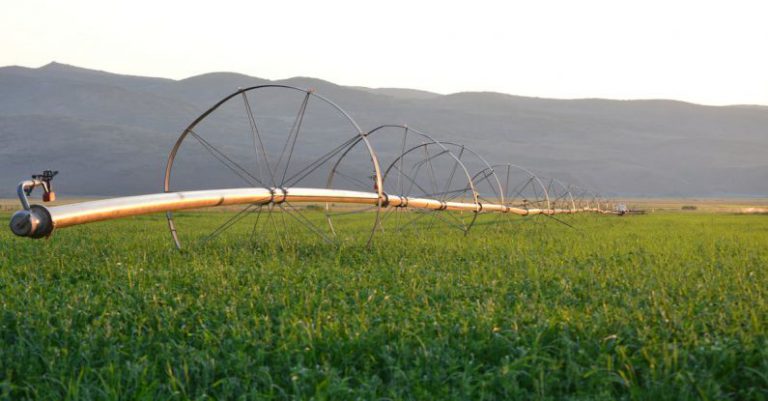
Efficient irrigation is key to a low-maintenance landscape. Invest in a smart irrigation system that adjusts watering based on weather conditions, soil moisture, and plant needs. These systems can save water and prevent overwatering, ensuring that your plants receive the right amount of moisture. Consider using drip irrigation for plants, as it delivers water directly to the root zone and minimizes evaporation.
5. Reduce Lawn Areas
Lawns require regular mowing, watering, and fertilizing, making them high-maintenance. To design a low-maintenance landscape, reduce the size of your lawn areas or consider alternative ground covers. Planting ornamental grasses, groundcovers, or creating garden beds can add visual interest and reduce the need for lawn care.
6. Add Mulch to Garden Beds
Mulching garden beds is a simple yet effective way to minimize maintenance. Mulch helps retain soil moisture, suppress weed growth, and regulates soil temperature. Apply a layer of organic mulch, such as wood chips or bark, around plants to improve soil health and reduce the need for watering and weeding.
7. Plan for Easy Access
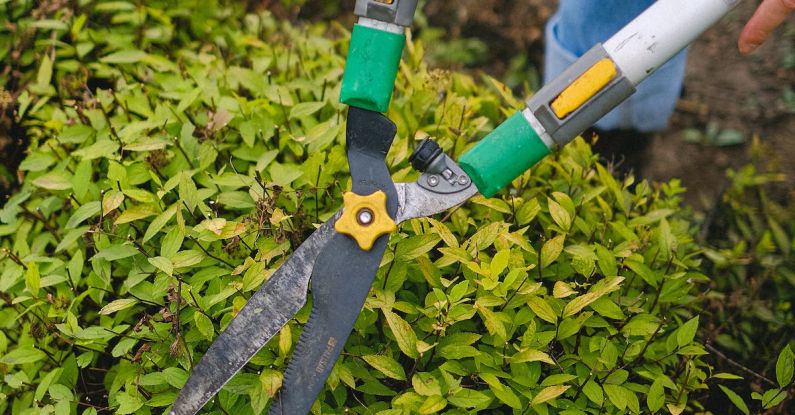
When designing your landscape, plan for easy access and maintenance. Leave enough space between plants, structures, and outdoor features to allow for easy movement and maintenance tasks. Consider using stepping stones or pathways to provide access to different areas of your yard. By ensuring easy access, you can save time and effort when it comes to pruning, weeding, and general upkeep.
In conclusion, designing a low-maintenance landscape involves making smart choices and implementing strategies that reduce the need for regular maintenance. By selecting the right plants, grouping them by watering needs, incorporating hardscaping elements, using smart irrigation systems, reducing lawn areas, adding mulch, and planning for easy access, you can create a beautiful and low-maintenance outdoor space that requires minimal care. So, start implementing these tips and enjoy a beautiful landscape without the hassle of constant maintenance.