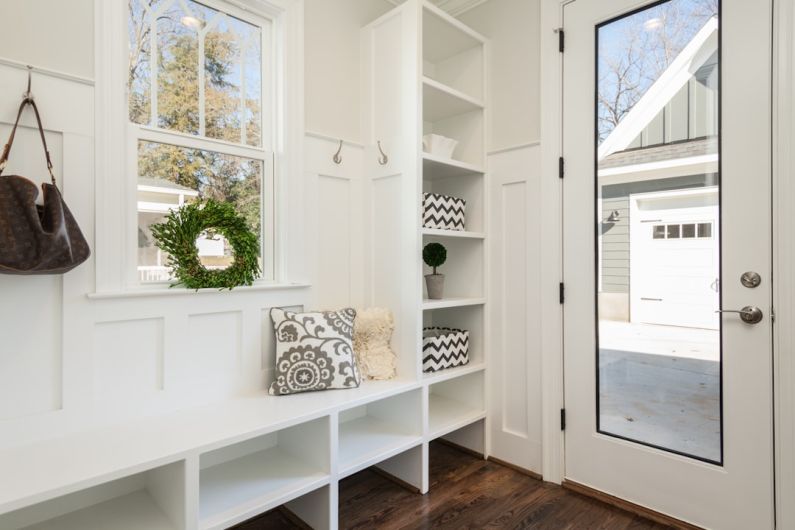
How to Design a Functional Yet Stylish Mudroom
Designing a functional yet stylish mudroom can be a challenging task, but with the right tips and tricks, you can create a space that not only serves its purpose but also adds a touch of beauty to your home. A mudroom is a transitional space between the outdoors and the indoors, where you can store your coats, shoes, and other essentials. It is essential to have a well-organized and visually appealing mudroom, as it sets the tone for the rest of your home. In this article, we will explore some key elements to consider when designing a mudroom that is both functional and stylish.
1. Assess Your Needs
Before diving into the design process, it is important to assess your needs and determine what functions your mudroom will serve. Consider how many family members will be using the space and what items need to be stored. This will help you determine the layout and storage solutions required for your mudroom.
2. Choose the Right Flooring
Since a mudroom is a high-traffic area, it is crucial to choose the right flooring material that can withstand dirt, moisture, and heavy use. Opt for durable options such as ceramic tiles, vinyl, or even sealed concrete. These materials are not only practical but also offer a wide range of design options to suit your style.
3. Incorporate Ample Storage
Storage is the key to a functional mudroom. Install hooks for coats, hats, and bags, and include a bench with built-in storage cubbies or drawers for shoes. You can also consider adding shelves or cabinets for additional storage space. Remember to keep the storage solutions well-organized and labeled to make it easy for everyone to find what they need.
4. Add a Seating Area
A mudroom should be a comfortable space where you can easily put on and take off your shoes. Including a seating area, such as a bench or a chair, can provide a convenient spot to sit and tie your shoelaces. Make sure to choose seating that is both practical and stylish, such as a bench with a cushion or a chair with a colorful throw pillow.
5. Consider Lighting
Proper lighting is essential in a mudroom to ensure visibility and create a welcoming atmosphere. Install overhead lighting to illuminate the entire space and add task lighting near mirrors or seating areas for added functionality. Consider using energy-efficient bulbs that provide bright, natural light.
6. Incorporate Design Elements
While functionality is crucial, don’t forget to infuse your personal style into the mudroom’s design. Choose a color scheme that complements the rest of your home and consider adding decorative elements such as artwork or a statement mirror. You can also add texture and warmth with rugs or window treatments.
7. Keep It Organized
Maintaining an organized mudroom is essential to prevent clutter and ensure a smooth transition from the outdoors to the indoors. Use baskets or bins to corral smaller items like gloves or scarves, and designate specific areas for each family member’s belongings. Regularly declutter and clean the space to keep it tidy and functional.
In conclusion, designing a functional yet stylish mudroom requires careful planning and consideration of your specific needs. By assessing your needs, choosing the right flooring, incorporating ample storage, adding a seating area, considering lighting, incorporating design elements, and keeping the space organized, you can create a mudroom that not only serves its purpose but also adds beauty and charm to your home. So, roll up your sleeves, get creative, and start designing your dream mudroom today!