What Are the Best Green Cleaning Products?
Cleaning our homes is a regular task that we all have to do. However, using conventional cleaning products can have a negative impact on our health and the environment. That’s why more and more people are turning to green cleaning products, which are made from natural and non-toxic ingredients. In this article, we will explore some of the best green cleaning products available in the market today.
1. Vinegar
Vinegar is a versatile and affordable green cleaning product that can be used in various ways. It is a natural disinfectant and can effectively remove stains and odors. Mix equal parts of vinegar and water to create a multi-purpose cleaner for countertops, floors, and windows. You can also use vinegar to remove lime scale from faucets and showerheads.
2. Baking Soda
Baking soda is another powerful green cleaning agent that can be found in almost every kitchen pantry. It has natural deodorizing properties and can effectively remove stains and grease. Sprinkle baking soda on carpets and upholstery before vacuuming to eliminate odors. Mix it with water to create a paste that can be used to clean kitchen appliances and surfaces.
3. Lemon Juice
Lemon juice is not just a refreshing addition to your water; it is also a great green cleaning product. It has natural antibacterial properties and can be used to remove stains and brighten surfaces. Mix lemon juice with water to create a natural glass cleaner. You can also use lemon juice to remove stains from cutting boards and countertops.
4. Castile Soap
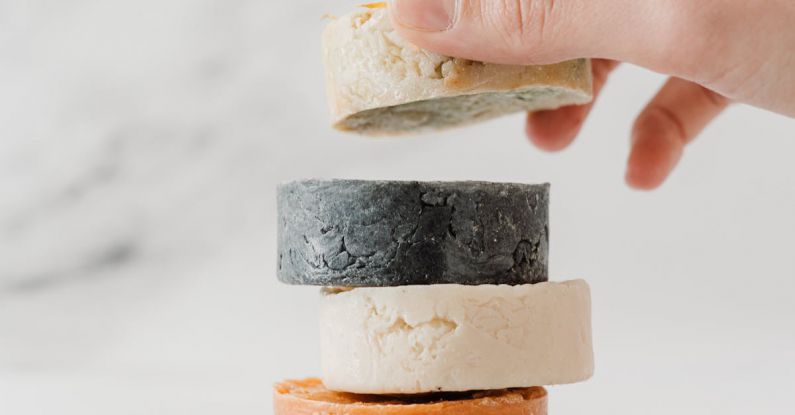
Castile soap is a gentle and biodegradable cleaning product that is made from vegetable oils. It is free from synthetic fragrances and harsh chemicals, making it safe for both your health and the environment. Use castile soap to clean dishes, floors, and even your body. It can be diluted with water or used directly for tough stains.
5. Essential Oils
Essential oils not only add a pleasant fragrance to your cleaning products but also have antimicrobial properties. Tea tree oil, for example, is known for its ability to kill bacteria and viruses. Lavender oil has a calming scent and can be used in homemade air fresheners. Just a few drops of essential oil can go a long way in your green cleaning routine.
6. Microfiber Cloths
Microfiber cloths are a must-have tool for green cleaning. They are made from synthetic fibers that are designed to trap dirt and dust, making them more effective than traditional cleaning cloths. Microfiber cloths can be used wet or dry and are perfect for cleaning surfaces without the need for harsh chemicals. They can be washed and reused, making them an eco-friendly choice.
7. Hydrogen Peroxide
Hydrogen peroxide is a natural and powerful disinfectant that can be used to clean and sanitize various surfaces. It is effective in killing bacteria, viruses, and mold. Mix hydrogen peroxide with water in a spray bottle and use it to clean your bathroom, kitchen, and other high-touch areas. It is important to note that hydrogen peroxide can bleach certain materials, so test it on a small area before use.
In conclusion, there are numerous green cleaning products available that are safe for both your health and the environment. By using natural and non-toxic ingredients like vinegar, baking soda, lemon juice, castile soap, essential oils, microfiber cloths, and hydrogen peroxide, you can maintain a clean and healthy home without harming the planet. So, make the switch to green cleaning products today and enjoy a cleaner, greener lifestyle.