What Techniques Can Improve Indoor Air Quality?
Indoor air quality is a vital aspect of our overall health and well-being. Poor indoor air quality can lead to various health issues such as allergies, respiratory problems, and even long-term diseases. Fortunately, there are several techniques that can help improve the quality of the air we breathe indoors. In this article, we will explore some effective techniques to enhance indoor air quality.
1. Ventilation
Proper ventilation is crucial for maintaining good indoor air quality. Opening windows and doors regularly allows fresh air to circulate and dilute any pollutants present in the indoor environment. Additionally, installing exhaust fans in areas prone to moisture, such as bathrooms and kitchens, can help remove excess humidity and prevent the growth of mold and mildew.
2. Air Purification
Air purifiers are an excellent investment for improving indoor air quality. These devices work by trapping and removing airborne contaminants, including dust, pollen, pet dander, and even certain viruses and bacteria. When choosing an air purifier, look for one with a high-efficiency particulate air (HEPA) filter, as it can effectively capture particles as small as 0.3 microns.
3. Regular Cleaning
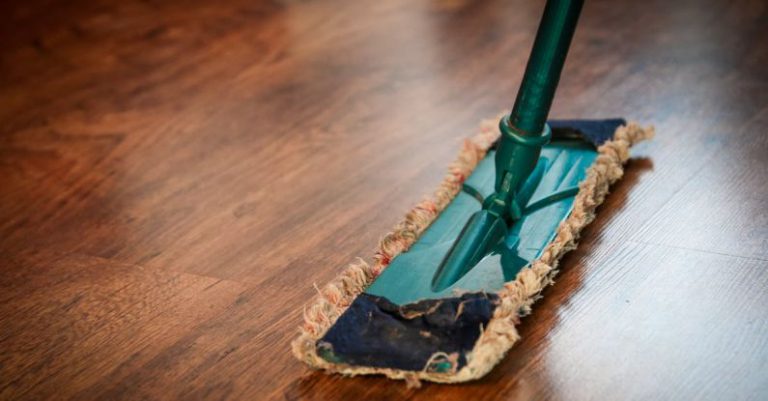
Regular cleaning is essential to reduce indoor air pollutants. Dusting surfaces, vacuuming carpets and upholstery, and mopping floors can help eliminate dust, allergens, and other particles that can contribute to poor air quality. It is also important to clean or replace air filters in heating, ventilation, and air conditioning (HVAC) systems regularly to prevent the recirculation of pollutants.
4. Control Humidity
Maintaining optimal humidity levels is crucial for improving indoor air quality. High humidity can promote the growth of mold and mildew, leading to respiratory problems and allergies. Using dehumidifiers in areas with excess moisture can help control humidity levels and prevent the development of these harmful organisms. On the other hand, during dry seasons, using humidifiers can add moisture to the air and alleviate symptoms associated with dryness, such as dry skin and nasal congestion.
5. Avoid Smoking Indoors
Smoking indoors is one of the most significant contributors to poor indoor air quality. Secondhand smoke contains numerous toxic chemicals that can linger in the air for extended periods, posing a serious health risk to both smokers and nonsmokers. By strictly prohibiting smoking indoors, you can greatly improve the air quality of your living space.
6. Use Natural Cleaning Products
Many conventional cleaning products contain harsh chemicals that can release volatile organic compounds (VOCs) into the air, negatively impacting indoor air quality. Switching to natural cleaning products or making your own using ingredients like vinegar, baking soda, and lemon juice can significantly reduce the number of harmful chemicals in your home and improve the air you breathe.
7. Keep Indoor Plants
Indoor plants not only add beauty to your living space but also help improve indoor air quality. Plants naturally absorb carbon dioxide and release oxygen, acting as natural air purifiers. Certain plants, such as peace lilies, spider plants, and aloe vera, are particularly effective at removing common indoor pollutants like formaldehyde, benzene, and xylene.
In conclusion,
Improving indoor air quality is essential for creating a healthy and comfortable living environment. By implementing techniques such as proper ventilation, air purification, regular cleaning, humidity control, avoiding indoor smoking, using natural cleaning products, and incorporating indoor plants, you can significantly enhance the quality of the air you breathe. Prioritizing indoor air quality is an investment in your overall health and well-being. So, take the necessary steps to ensure that the air in your home is clean and safe for you and your loved ones.