What Steps Are Involved in Basement Waterproofing?
Basement waterproofing is an essential step in maintaining the integrity of your home’s foundation and protecting it from water damage. A wet basement can lead to mold growth, structural issues, and a whole host of other problems. In this article, we will explore the steps involved in basement waterproofing to help you understand the process and why it is important.
Assessment and Inspection
The first step in basement waterproofing is to assess the current condition of your basement. This involves inspecting for any signs of water damage, such as dampness, mold, or cracks in the foundation. It is important to identify the source of the water infiltration to determine the most effective solution for your specific situation.
Exterior Waterproofing
One of the most effective methods of basement waterproofing is exterior waterproofing. This involves excavating the soil around the foundation to expose the outer walls. The walls are then cleaned and sealed with a waterproofing membrane. This membrane acts as a barrier against water, preventing it from seeping into the basement. Additionally, exterior waterproofing may also involve installing a drainage system, such as French drains, to redirect water away from the foundation.
Interior Waterproofing
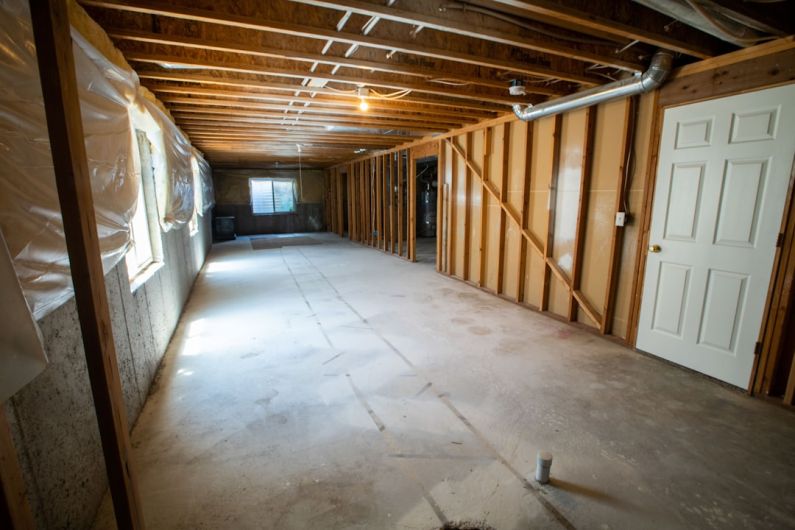
If exterior waterproofing is not a viable option, interior waterproofing can be an effective alternative. This involves treating the interior walls and floors of the basement to prevent water infiltration. One common method is to apply a waterproofing sealant or epoxy coating to the walls and floors. This creates a barrier that prevents water from seeping through. Interior waterproofing may also involve installing a sump pump to remove any excess water that accumulates in the basement.
Crack Repair
Cracks in the foundation are a common entry point for water. Therefore, repairing any cracks is an important step in basement waterproofing. This can be done by injecting epoxy or polyurethane into the cracks to seal them and prevent further water infiltration. It is crucial to address any cracks promptly, as they can worsen over time and lead to more significant issues.
Gutter Maintenance
Proper gutter maintenance is often overlooked but plays a crucial role in basement waterproofing. Clogged or damaged gutters can cause water to overflow and pool around the foundation, leading to water infiltration. Regularly cleaning the gutters and ensuring they are in good condition will help prevent water from accumulating near the basement walls.
Proper Landscaping
The slope of the land around your home can also impact basement waterproofing. If the ground slopes towards the foundation, water can easily accumulate and seep into the basement. Proper landscaping, such as grading the soil away from the foundation, can help divert water away and minimize the risk of water infiltration.
Conclusion: Protect Your Basement
Basement waterproofing is a crucial step in maintaining the integrity of your home’s foundation and preventing water damage. By assessing the condition of your basement, identifying the source of water infiltration, and implementing the appropriate waterproofing methods, you can protect your basement from potential issues. Whether you opt for exterior waterproofing, interior waterproofing, or a combination of both, it is essential to address any cracks and ensure proper gutter maintenance and landscaping. By taking these steps, you can safeguard your basement and enjoy a dry, functional, and mold-free space in your home.