What Plants Thrive in Shady Gardens?
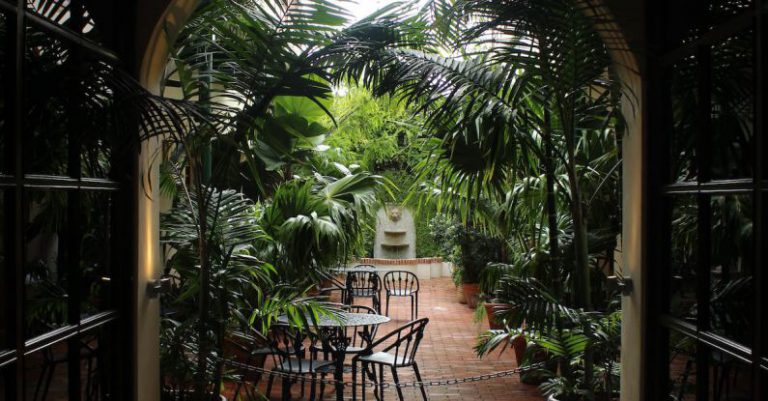
Shady gardens can pose a challenge for many gardeners, as they often struggle to find plants that can thrive in low-light conditions. However, with the right selection of plants, shady gardens can be transformed into lush and vibrant spaces. In this article, we will explore a variety of plant options that are well-suited for shady gardens, allowing you to create a beautiful and thriving outdoor oasis.
Ferns: Nature’s Green Canopy
Ferns are a fantastic choice for shady gardens, as they naturally thrive in the understory of forests. Their delicate and feathery fronds add a touch of elegance to any garden, while their ability to withstand low-light conditions makes them an ideal choice for shady areas. Some popular fern varieties for shady gardens include maidenhair ferns, Japanese painted ferns, and ostrich ferns.
Hostas: Versatile and Low-Maintenance
Hostas are another excellent choice for shady gardens, as they are known for their ability to tolerate shade and their attractive foliage. With a wide variety of leaf shapes, sizes, and colors, hostas can add depth and texture to your garden. Moreover, they require minimal maintenance, making them an ideal choice for busy gardeners. Some popular hosta varieties for shady gardens include ‘Sum and Substance,’ ‘Patriot,’ and ‘June.’
Heucheras: Colorful and Drought-Tolerant
Heucheras, also known as coral bells, are a versatile and colorful option for shady gardens. These plants feature stunning foliage in various shades of green, purple, red, and silver, adding a pop of color to your garden. In addition, heucheras are known for their ability to tolerate dry soil conditions, making them a great choice for gardens with limited water access. Some popular heuchera varieties for shady gardens include ‘Palace Purple,’ ‘Caramel,’ and ‘Lime Rickey.’
Astilbes: Delicate and Graceful
Astilbes are perennial plants that thrive in shady and moist environments. These plants are known for their beautiful plume-like flowers, which come in a range of colors, including pink, white, and red. With their delicate and graceful appearance, astilbes can add a touch of elegance to any shady garden. Some popular astilbe varieties for shady gardens include ‘Fanal,’ ‘Bridal Veil,’ and ‘Peach Blossom.’
Ligularias: Unique and Eye-Catching
Ligularias are a unique and eye-catching option for shady gardens. These plants feature large, bold leaves that come in various shapes and sizes, creating a dramatic effect in your garden. Ligularias also produce vibrant yellow flowers that attract butterflies and other pollinators. However, it is important to note that ligularias prefer moist soil and may require regular watering. Some popular ligularia varieties for shady gardens include ‘The Rocket,’ ‘Bottle Rocket,’ and ‘Britt-Marie Crawford.’
Creating a Lush and Vibrant Shady Garden
By incorporating a variety of plants that thrive in shady conditions, you can create a lush and vibrant garden even in areas with limited sunlight. Remember to consider factors such as soil moisture and water availability when choosing plants for your shady garden. With the right selection and proper care, your shady garden can become a stunning oasis that you can enjoy for years to come. So, get out there and start transforming your shady space into a garden paradise!