How to Create a Diy Vertical Garden in Small Spaces
In today’s fast-paced world, finding ways to bring nature into our lives can be a challenge, especially when living in small spaces. However, with a little creativity and some DIY know-how, you can create a stunning vertical garden right in your own home. Not only will it add a touch of greenery to your living space, but it will also provide numerous benefits for your well-being. In this article, we will guide you through the process of creating a DIY vertical garden in small spaces.
Choosing the Right Location
The first step in creating a vertical garden is determining the right location for it. Look for a wall or a fence that receives ample sunlight throughout the day. This will ensure that your plants get the necessary light for their growth. Additionally, consider the overall aesthetics of the space and how the vertical garden will fit into it. You want it to be a focal point that enhances the overall ambiance of the area.
Selecting the Right Plants
When it comes to choosing plants for your vertical garden, opt for those that thrive in small spaces and have shallow root systems. Herbs like basil, mint, and thyme are excellent choices, as they not only add a pop of color but also provide fresh flavors for your cooking. Succulents, such as aloe vera and echeveria, are also perfect for vertical gardens as they require minimal maintenance and add a touch of uniqueness to your space.
Building the Structure
Now that you have chosen the location and selected the plants, it’s time to build the structure for your vertical garden. One of the simplest and most cost-effective ways to do this is by using a pallet. Start by cleaning and sanding the pallet to ensure a smooth surface. Then, paint it in a color that complements your space. Once the paint has dried, attach a landscape fabric to the back of the pallet to prevent soil from falling out. Finally, fill each pocket with potting soil and carefully plant your chosen plants.
Maintaining Your Vertical Garden
To ensure the longevity and health of your vertical garden, it’s important to provide proper care and maintenance. Water your plants regularly, but be careful not to overwater them, as this can lead to root rot. Consider installing a drip irrigation system to provide a consistent water supply. Additionally, regularly check for pests or diseases and take necessary measures to prevent or treat them.
Enhancing the Vertical Garden
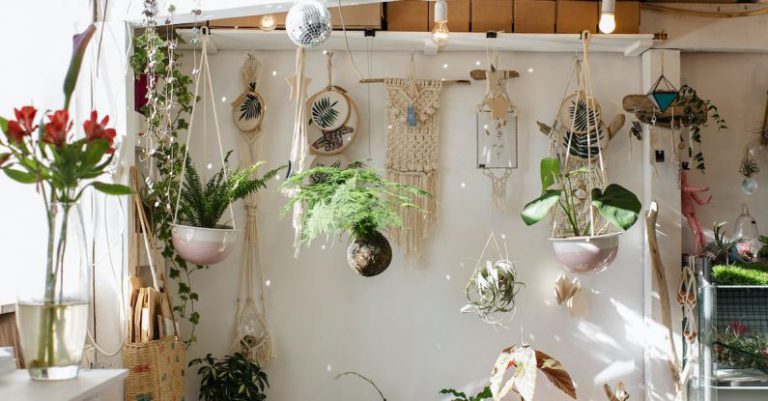
To make your vertical garden even more appealing, consider adding decorative elements. Hang small planters or baskets from the pallet to add depth and variety to the display. You can also incorporate other elements like fairy lights or small ornaments to create a whimsical atmosphere. The key is to let your creativity shine and personalize the vertical garden to your taste.
Conclusion: Bringing Nature Indoors
Creating a DIY vertical garden in small spaces is a wonderful way to bring nature indoors and enhance the beauty of your living space. With careful planning and attention to detail, you can transform a dull wall into a vibrant, living work of art. Remember to choose the right location, select suitable plants, build a sturdy structure, and provide proper care and maintenance. Get started on your own vertical garden project today and enjoy the benefits of nature in the comfort of your own home.