Why Incorporate Hardscaping into Your Yard?
When it comes to designing an outdoor space, many people focus solely on the plants and greenery. While a well-maintained garden is undoubtedly beautiful, incorporating hardscaping into your yard can take it to the next level. Hardscaping refers to the non-living elements in your landscape design, such as patios, walkways, and retaining walls. By incorporating hardscaping into your yard, you can create a visually appealing and functional space that you and your family will enjoy for years to come.
Enhances Visual Appeal
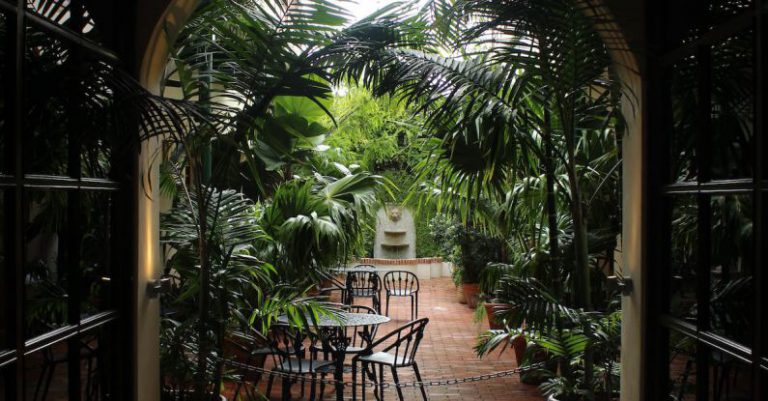
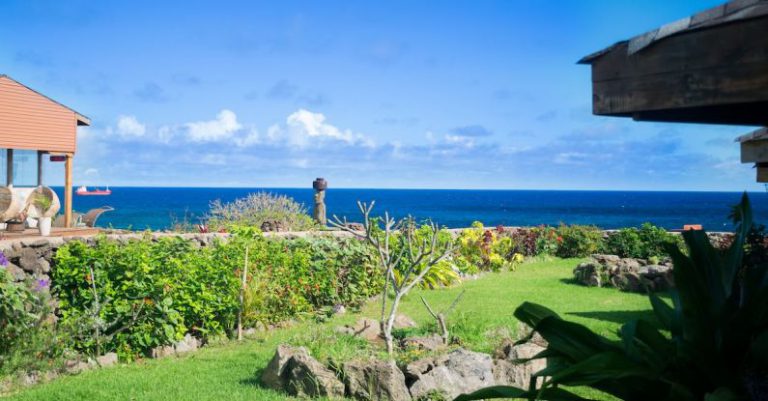
One of the main reasons why you should consider incorporating hardscaping into your yard is that it enhances the visual appeal of your outdoor space. Hardscaping elements such as stone walls, pavers, and decorative structures add texture, depth, and contrast to your landscape. They can create focal points and visual interest, making your yard more visually appealing. Whether you choose a modern or traditional design, hardscaping can add a touch of elegance and sophistication to your outdoor space.
Increases Functionality
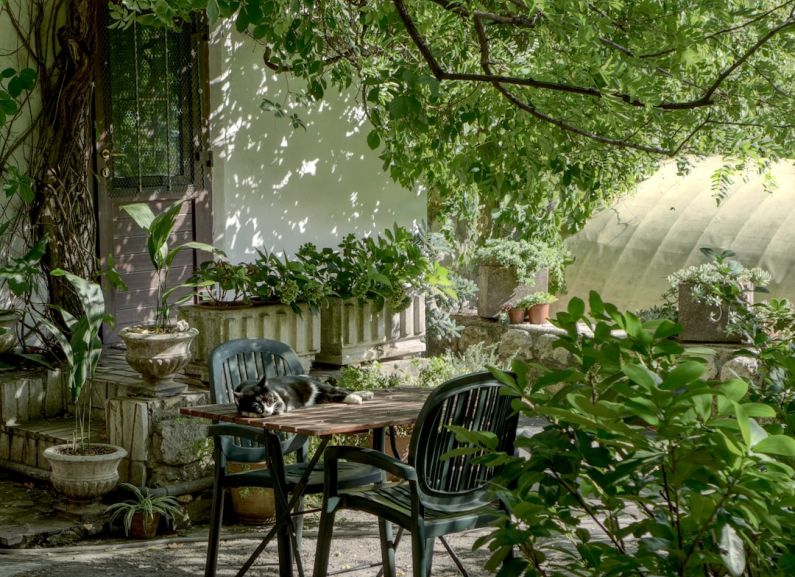
Another advantage of incorporating hardscaping into your yard is that it increases the functionality of your outdoor space. By adding a patio or a deck, you can create an area for outdoor dining, entertaining, or simply relaxing. A well-designed walkway can guide visitors through your yard and connect different areas of your landscape. Retaining walls can help prevent soil erosion and create terraced areas for planting. With hardscaping, you can transform your yard into a multi-functional space that suits your lifestyle.
Requires Low Maintenance
Maintaining a yard can be time-consuming and labor-intensive, especially if you have a large garden with lots of plants. However, hardscaping requires minimal maintenance compared to traditional landscaping. Once installed, hardscape elements such as stone or concrete pavers, gravel, or decking materials are durable and long-lasting. They do not require regular watering, mowing, or pruning like plants do. By incorporating hardscaping into your yard, you can spend less time on maintenance and more time enjoying your outdoor space.
Provides Year-Round Enjoyment
Unlike plants that go dormant during the winter months, hardscape elements provide year-round enjoyment. A well-designed patio or fire pit can be used for outdoor gatherings and barbecues even in colder weather. Additionally, hardscaping can create a framework for your garden, providing structure and interest when the plants are not in bloom. By incorporating hardscaping into your yard, you can create an outdoor space that is enjoyable and functional throughout the year.
Increases Property Value
Finally, incorporating hardscaping into your yard can increase the value of your property. A well-designed and well-maintained outdoor space is a desirable feature for many homebuyers. By investing in hardscaping, you are essentially investing in the value of your home. According to a study by the National Association of Realtors, well-designed landscaping can increase the value of a property by up to 12%. By incorporating hardscaping into your yard, you can attract potential buyers and potentially increase the selling price of your home.
In conclusion, incorporating hardscaping into your yard is a smart choice for several reasons. It enhances the visual appeal of your outdoor space, increases functionality, requires low maintenance, provides year-round enjoyment, and can increase the value of your property. Whether you are looking to create a relaxing retreat or an entertainment area, hardscaping can transform your yard into a beautiful and functional outdoor oasis. So, why not take advantage of the benefits that hardscaping has to offer and start designing your dream yard today?